Planning your project

A clearer picture of what comes next.

A useful budget starts with an understanding of the project. Your priorities, the property and the details of the work give the conversation its shape.

Whether you have finished drawings or a few early ideas, start by gathering what you know and noting what you still need to decide.

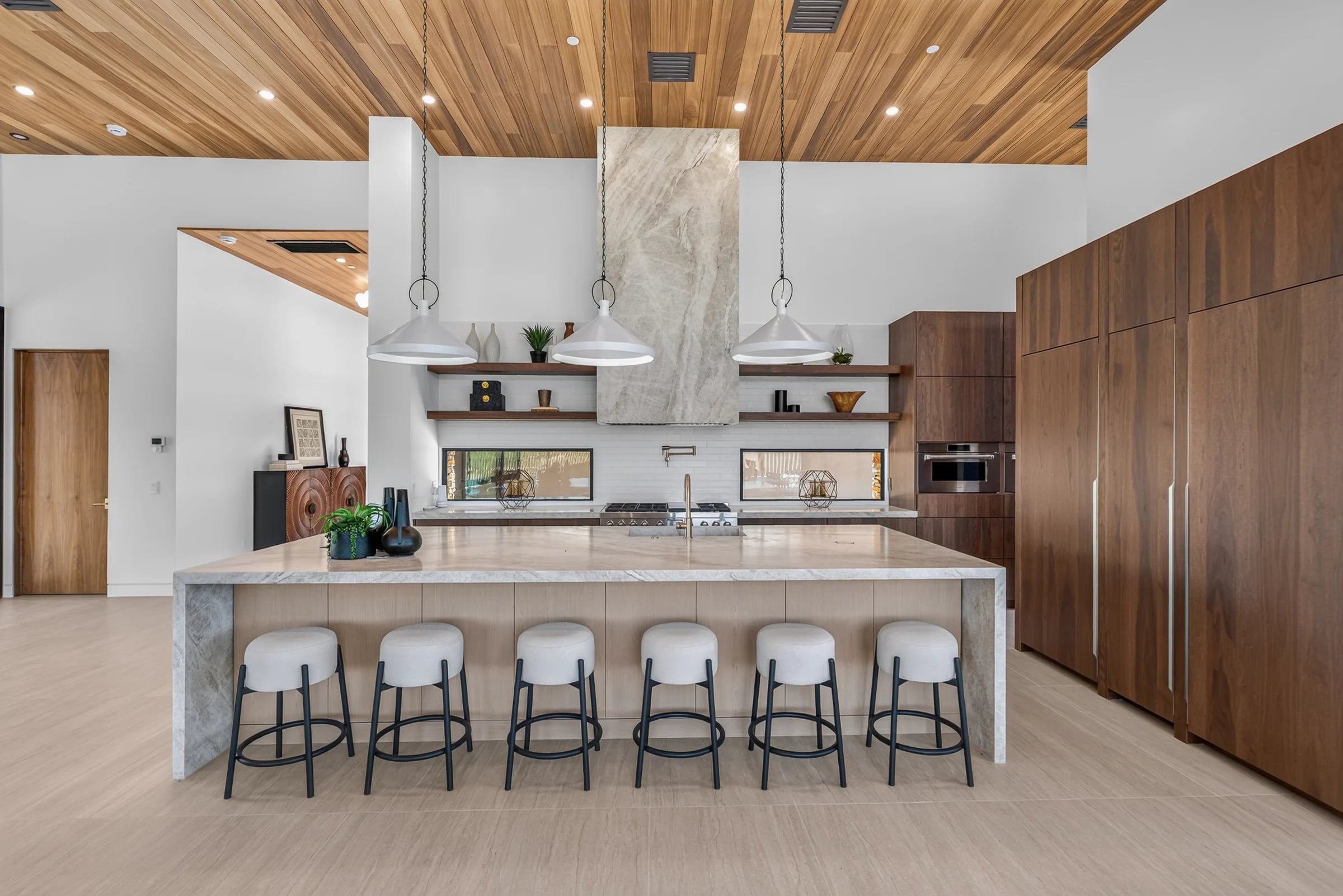
A stone island, timber cabinetry and wood ceiling in the Salero kitchen.
01

The scope of the work.

Start with what you want to build, change or preserve. Square footage is one part of the picture. Structural changes, kitchens, bathrooms, outdoor spaces and the extent of new work all shape the budget. Separate your essential needs from ideas you could revisit.

02

The property itself.

Site access, slope, utilities and preparation can influence a new build. For a renovation, the existing structure and building systems need consideration too. Surveys, existing drawings and property photos help identify what is known and what needs a closer look.

03

Design and selections.

The structure, glazing, cabinetry, finishes and fixtures affect both the work and its cost. Specific drawings and selections make an estimate more useful. When something is undecided, ask what assumption or allowance is being used so you can compare options on the same basis.

04

How the work fits together.

Access, the sequence of work and coordination among the owner, design team and trades deserve early attention. Share any plans to occupy the property during construction, owner-supplied items and important dates. These details help frame the planning questions that need to be resolved.

Before the first conversation

Bring what you have.

You do not need every answer to begin. These details provide a useful starting point for discussing your project with Kim.

Talk through your plans
Your project checklist
  • The property: its location, current use and any photos, surveys or existing drawings you have.
  • Your priorities: what you want to build or change, what you want to keep, and the details that matter most.
  • Plans and people: available drawings, inspiration and the architect or designer already involved.
  • Your budget: an anticipated range, if you have one, and what you expect it to cover.
  • Timing and practical needs: important dates, access considerations and whether the property will remain occupied.
Still deciding on the scope?

Make two lists: the changes you need and the ideas you would like to explore. A few photos and a description of how you want the space to work can help explain the difference.

From ideas to defined work

Understand what the number includes.

An initial budget conversation explores the project with the information available. A proposal for defined work needs a clear description of what is included. Understanding that difference makes it easier to ask useful questions and compare proposals.

Early budget conversations

Begin with the intended scope, priorities and available property information. Ask which assumptions shape the budget discussion and which decisions or investigations could change it. An early figure is a planning reference, not a promise of the final construction price.

As the details develop

Drawings, selections and information about the property allow more specific cost discussions. Keep track of changes to the scope, identify items still undecided and ask whether allowances reflect the choices you have in mind.

Reviewing a proposal

Read the scope, inclusions, exclusions and allowances alongside the price. Check that the drawings and selections referenced are the versions you expect. Ask what remains unresolved, what the stated timing depends on and how changes would be handled.

Looking at the whole project budget

Confirm which costs are included in the construction proposal and which sit elsewhere, such as design services, permits or owner-supplied items. Discuss how to account for unresolved conditions and decisions before treating the total as complete.
Let’s build something lasting

It starts with a conversation.

Tell us about your project